Decode Cat Body Language: Tail, Ears, Eyes & Posture
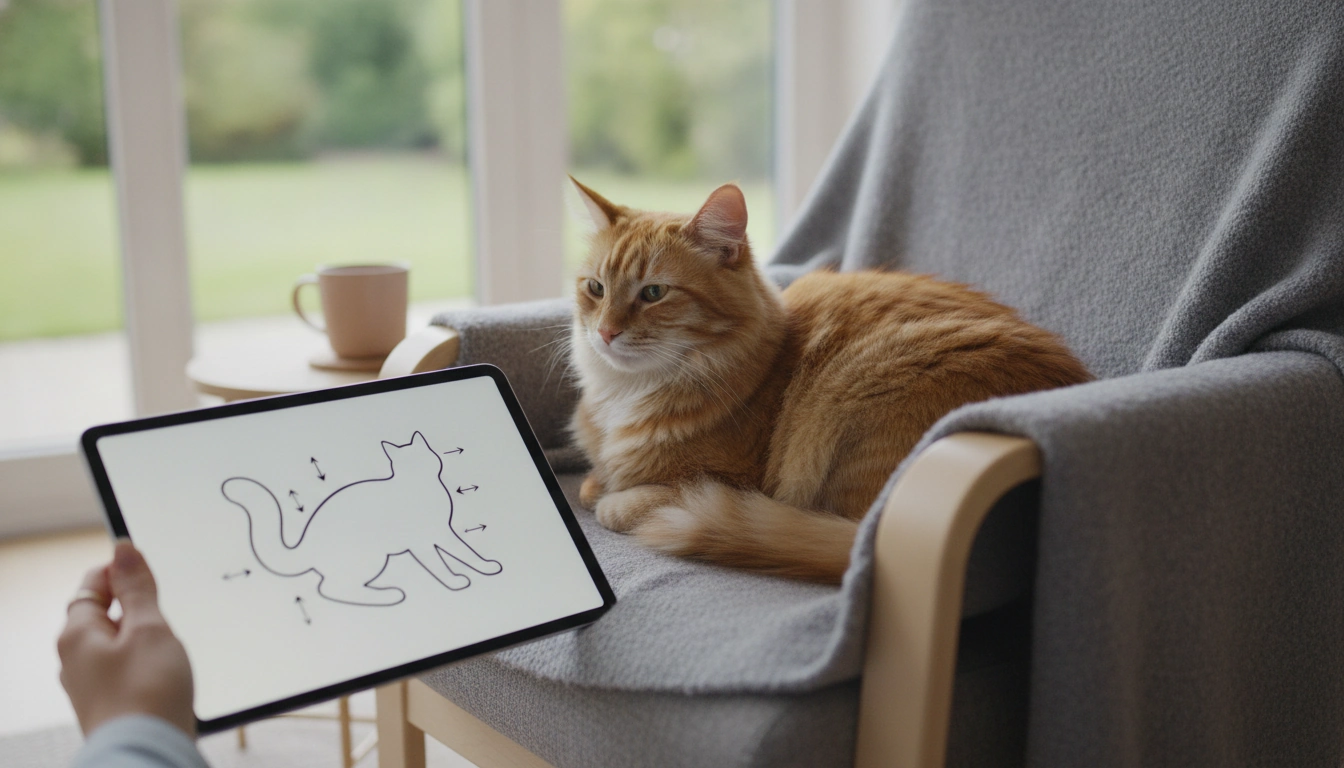
How to understand your cat’s body language?
Cat body language is a mix of posture, tail position, ear angle, eyes, whiskers, and voice—each part adding context. Look for clusters of signals and what’s happening around your cat (new person, loud noise, play, food, or handling). A single cue can mean different things depending on the situation, but patterns are reliable.
Start with the tail
A tail held high often signals confidence and friendly intent, especially if the tip gently curves. A puffed tail suggests fear or high arousal. Fast, sharp tail flicks can mean irritation or overstimulation, while a slow swish may show focus during play or stalking. A tucked tail usually indicates anxiety or submission.
Check the ears and eyes together
Ears forward typically indicate curiosity or engagement. Ears flattened sideways (“airplane ears”) or pinned back can signal stress, discomfort, or a warning to stop. Soft, slow blinks usually communicate relaxation; returning a slow blink can be a calm social gesture. Wide eyes with dilated pupils often point to fear, excitement, or sudden stimulation—use the rest of the body to confirm which.
Read posture and movement
A relaxed cat often has a loose body, weight evenly distributed, and may flop onto one side. A crouched body with tense muscles and weight pulled low can signal fear or readiness to bolt. A rigid, forward-leaning stance may precede pouncing or a defensive reaction. If your cat freezes, it’s often a sign they’re uncomfortable and deciding whether to flee or swat.
Understand whiskers, nose, and mouth
Whiskers pushed forward suggest interest (often during play or investigation). Whiskers pulled back against the face can indicate stress. A slightly open mouth after sniffing (the “flehmen response”) is normal scent processing. Growling, hissing, or yowling are clear boundaries—pause interaction and give space.
For a deeper breakdown of common signals and what they mean in daily life, visit How to Understand Your Cat’s Body Language.
FAQ
Why does my cat slow blink at me?
Slow blinking is usually a sign of comfort and trust. Many cats use it as a calm, friendly signal, especially in quiet moments.











Leave a comment